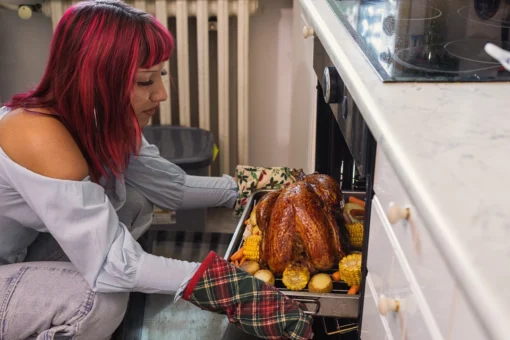
Thanksgiving and eating disorders can be a difficult combination. Changes in routine, food-focused gatherings, comments about eating or appearance, and the expectations that come with the holiday can all make recovery feel harder than usual.
That doesn’t mean you have to navigate the day without support. Whether you’re new to treatment, further along in recovery or supporting someone you love, this guide offers practical ways to prepare for Thanksgiving, communicate boundaries and protect your recovery before, during and after the holiday.
Why Thanksgiving Can Be Triggering for People with Eating Disorders
Holiday rituals often revolve around a large meal and conversations about recipes, portions and “saving up” for dinner, which may conflict with treatment goals. Even well-intended remarks, like compliments about weight, jokes about “earning” dessert or comparisons of bodies, can heighten distress quickly.
Common emotional reactions include:
- Guilt: Guilt may arise when eating foods labeled as “good” or “bad.”
- Anxiety: Anxiety can spike before, during and after the meal, sometimes fueling urges to restrict, binge, purge or overexercise.
- Shame: Shame may follow any deviation from rigid rules. Some people withdraw to avoid scrutiny, which can increase loneliness.
Triggers vary by diagnosis and stage of recovery.
- Anorexia: A person with anorexia may feel intense fear around portions and variety.
- Bulimia Nervosa: Someone with bulimia nervosa may experience strong urges to binge and purge after a meal.
- Binge Eating Disorder: Those with binge eating disorder may feel driven to binge due to abundance, secrecy or criticism.
- Avoidant/Restrictive Food Intake Disorder (ARFID): People with ARFID may struggle with unfamiliar textures and flavors.
Plus, obsessive thoughts can intensify in early recovery, while those further along may still rely on structure and boundaries to maintain balance. Understanding these patterns helps when planning for Thanksgiving and eating disorders ahead of time.
Preparing Ahead: Planning, Communicating and Getting Support
If Thanksgiving feels complicated when you’re dealing with an eating disorder, you’re not doing the holiday wrong. It’s a day built around food, often with changes to your usual routine and plenty of opportunities for uncomfortable comments or conversations. Rather than expecting yourself to simply push through it, it can help to think ahead about what would make the day feel safer, steadier and a little easier.
Make a Plan
Thanksgiving can feel much less overwhelming when you don’t have to make every decision in the moment. Think through when you’ll eat that day, including breakfast and any snacks you would normally have, rather than saving up for the Thanksgiving meal. Write down a few things that tend to help when anxiety or eating disorder thoughts get louder, such as slow breathing, grounding yourself with your senses, taking a short walk or texting someone you trust.
If you have a therapist, dietitian or other treatment provider, you can also talk through the day with them ahead of time.
Communicate Your Needs
You don’t have to explain your entire recovery to set a boundary. You might ask your family to skip conversations about diets, weight, calories or other people’s bodies, or ask them not to comment on what’s on your plate. Something as simple as, “I’m working on my recovery right now, so I’d really appreciate it if we could keep food and body comments off the table,” may be enough.
It can also help to identify one person at the gathering who knows what you’re dealing with and can quietly check in if you need them.
Build Yourself a Support System
Think about the parts of the day you can make easier. Bring a familiar dish if that takes some uncertainty out of the meal. Sit near someone who helps you feel grounded. Know where you can step away if the conversation becomes difficult. And if you can, make your own transportation arrangements so staying or leaving remains your choice.
You could even choose a code word or emoji with your support person so you can signal that you need backup without having to explain yourself across the dinner table.
During the Meal: 4 Practical Strategies and Mindful Approaches
You can prepare carefully for Thanksgiving and still find parts of the meal hard. In those difficult moments, having a few simple ways to ground yourself and ask for what you need can help you stay connected to your recovery.
Strategy 1: Stay Grounded When the Meal Feels Overwhelming
If you notice anxiety building, try bringing your attention back to what’s happening around you rather than getting pulled into eating disorder thoughts. Take a few slow breaths. Notice the sounds in the room, the feeling of your feet on the floor or the conversation happening beside you. You don’t need to make the anxiety disappear before you can keep going.
Sometimes the goal is simply to give yourself something else to come back to when your thoughts start getting loud.
Strategy 2: Keep Your Boundaries Simple
Unfortunately, Thanksgiving tables can come with plenty of unsolicited conversation about diets, weight and what people are eating. You’re allowed to not participate. A simple “I’d rather not talk about diets today” or “Please don’t comment on my food or my body” is enough. You don’t owe anyone a lengthy explanation.
If someone keeps pushing, it’s also okay to change the subject, move to another seat or step away for a few minutes.
Strategy 3: Let Your Recovery Plan Guide the Meal
Thanksgiving doesn’t need its own special set of food rules. If you have a meal plan from your dietitian or treatment team, use that as your guide rather than trying to compensate for the holiday, restrict beforehand or negotiate with yourself at the table.
Sitting beside someone you trust can help, especially if they understand that what you need is ordinary conversation rather than attention on your plate.
Strategy 4: Use Recovery Tools When Things Get Intense
If eating disorder thoughts become particularly intense, use whatever has helped you through difficult meals before. Ground yourself, text your support person or step away briefly if that is part of your recovery plan. And if the meal doesn’t go the way you hoped, try not to turn one difficult moment into the rest of the day.
Return to your usual eating schedule at the next meal or snack rather than trying to “make up for” what happened.
A few small things may also make the meal easier:
- Predictability: If uncertainty makes meals harder, talk through the plan with your dietitian or support person ahead of time.
- Support: Sit near someone who helps you feel comfortable and can keep the conversation away from food and bodies.
- Breaks: If you become overwhelmed, give yourself permission to step away, reset and come back when you’re ready.
Managing Social Pressure and Comments About Food or Bodies
Prepare a few calm responses to food or body comments: “I’m following what works for me,” “Food isn’t moral,” or “I’d rather not discuss bodies today.” Then change the subject.
Ask one or two supportive people to help redirect diet talk or check in with you using a pre-arranged signal. If comments continue, set a clear boundary or take a break. And if someone repeatedly ignores that boundary, give yourself permission to move seats, step outside or leave.
Here’s a quick guide on how to respond to some of the things you might hear:
| Comment You Might Hear | Possible Response |
| “Are you going to eat that?” | “I’m following my plan today.” |
| “I was bad for having dessert.” | “Food isn’t good or bad. Let’s enjoy the day.” |
| “You look amazing—did you lose weight?” | “I’m focusing on health beyond appearance.” |
| “I’m skipping breakfast to save room.” | “I do best when I keep a regular meal pattern.” |
Thanksgiving and Eating Disorders: What to Do Afterwards
After Thanksgiving, give yourself a little time to notice how the day felt without judging yourself for it. You might think about:
- What helped you feel grounded
- What was difficult
- What you would want to do differently next time
If you have a therapist, dietitian or other member of your treatment team, this can also be a good time for a brief check-in.
Then, return to the routines that support your recovery. Get back to regular meals and snacks, prioritize rest and hydration, connect with someone you trust and make space for something calming, whether that is a favorite show, a walk or a creative activity. The goal is not to compensate for Thanksgiving, but simply to return to the habits that help you feel steady.
Pay attention, too, if a difficult day starts turning into a more sustained setback. Increasing restriction, bingeing, purging, laxative use or compulsive exercise, growing secrecy around food, or difficulty returning to your usual recovery plan are all reasons to reach out to your treatment team. Physical symptoms such as dizziness, fainting, heart palpitations or chest pain also deserve prompt medical attention.
Above all, try to treat the day as information rather than a test you passed or failed. Thanksgiving and eating disorder recovery can be complicated, and needing extra support afterward does not erase the progress you have made.
You Can Honor Yourself and the Holiday
Thanksgiving can be meaningful and enjoyable without putting your recovery on hold. With some preparation, clear boundaries and the right support, you can make space for both the holiday and your well-being. And if the day feels harder than expected, that doesn’t mean you’ve failed or lost progress.
Recovery deserves support during the holidays, too. Give yourself permission to set boundaries, lean on people you trust and make choices that protect the progress you’ve made.
If you or someone you love is struggling with Thanksgiving and eating disorders, you don’t have to navigate it alone. Center for Discovery offers compassionate, evidence-based eating disorder care to help you move forward in recovery, during the holidays and beyond.
Reach out today to learn more.
Frequently Asked Questions
How can I make Thanksgiving easier during eating disorder recovery?
Having a plan can make the day feel more manageable. Think ahead about meals, potentially difficult conversations and who you can turn to for support. If you’re working with a treatment team, they can help you make a plan that supports your individual recovery needs.
What should I do if people comment on my food or body?
You don’t owe anyone an explanation. A simple response such as, “I’d rather not talk about food or bodies today,” can be enough. You can change the subject, ask a supportive person to step in or take a break from the conversation if you need to.
Should I eat less before Thanksgiving dinner?
Trying to “save room” by restricting earlier in the day can make the meal more difficult and may reinforce eating disorder behaviors. If regular meals and snacks are part of your recovery plan, Thanksgiving is generally a day to keep following that plan rather than compensate for the holiday meal.
What if Thanksgiving doesn’t go according to plan?
One difficult meal or difficult day does not undo your recovery. Try to approach what happened with curiosity rather than judgment, return to the routines that support you and reach out to your treatment team if you’re struggling to get back on track.
Is it okay to skip Thanksgiving altogether?
Yes. Recovery does not require putting yourself into a situation that feels unsafe or unmanageable. You might attend for a shorter period, celebrate differently, spend the day with supportive people or choose not to participate at all. Protecting your recovery is a valid choice.
When should I ask for extra help?
You don’t have to wait until things feel like a crisis. If Thanksgiving brings an increase in restriction, bingeing, purging, compulsive exercise or other eating disorder behaviors, or you’re finding it difficult to return to your recovery routine afterward, consider reaching out to your treatment team for additional support.